Kayraks
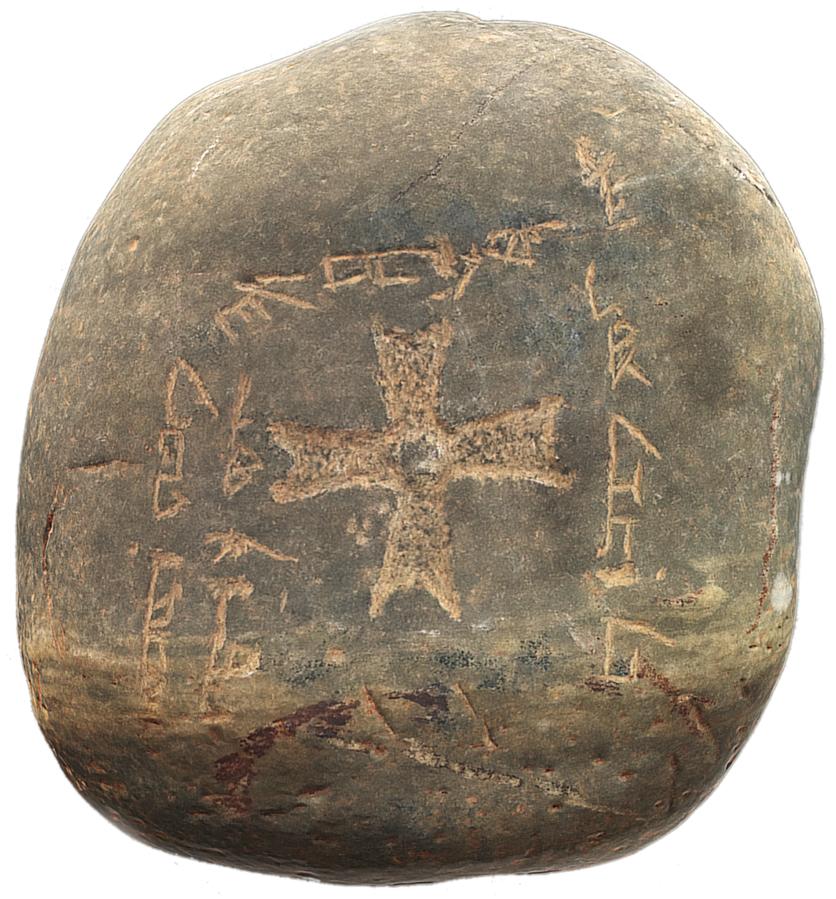
Kayraks are stone grave markers commonly found in parts of Central Asia. These markers, often simple in form but rich in cultural significance, serve as visible indicators of burial locations and memorial practices. They are an important component of the archaeological landscape, particularly in areas where other forms of burial architecture may be minimal or absent.
The form of a kayrak can vary, but they are typically shaped stones set vertically at the head or foot of a grave. Some are unadorned, while others may bear inscriptions, carvings, or symbolic markings. These features can provide valuable information about the identity of the deceased, including names, dates, or religious expressions.
Kayraks are closely tied to local traditions and beliefs about death and remembrance. Their presence reflects a cultural emphasis on marking and honoring burial sites in a durable way. In some cases, the style and decoration of a kayrak may indicate social status, family affiliation, or regional identity.
From an archaeological perspective, kayraks help identify and map burial grounds, even when other features are no longer visible. They can also assist in dating graves, especially when inscriptions are present. The study of their form and distribution contributes to our understanding of changing burial practices over time.