Human Remains
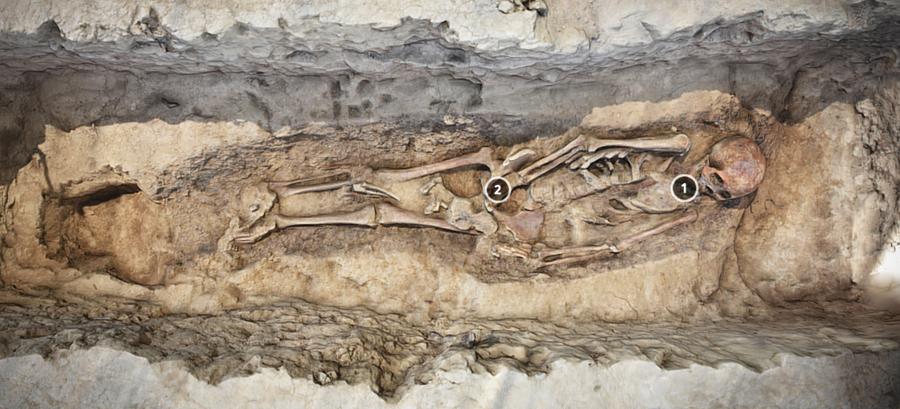
The study of human remains is one of the most sensitive and informative areas of archaeology. When approached with care and respect, human skeletal material can provide direct evidence about the people who lived in a given place—their health, diet, physical activity, and even aspects of their social identity. In Central Asia, where written records are often limited, these remains are an essential source of historical knowledge.
A necropolis, or burial ground, represents more than just a collection of graves. It reflects the beliefs, traditions, and social structures of a community. The way individuals are buried—their position, orientation, grave goods, and markers—can reveal cultural practices related to death and the afterlife. Variations within a necropolis may indicate differences in status, age, gender, or cultural affiliation.
Osteological analysis, the study of bones, allows archaeologists to reconstruct aspects of individual lives. Signs of disease, injury, or repetitive physical stress can tell us about living conditions and daily activities. Dental remains can provide clues about diet, while isotopic analysis can reveal information about geographic origins and mobility. Together, these methods help build a biological profile of past populations.
In Central Asia, burial practices often reflect a complex interaction of traditions. Nomadic and sedentary populations, as well as influences from different religious systems, have shaped how the dead were treated. This diversity is visible in the archaeological record, where burial forms and practices may vary significantly even within a single region.
Because human remains represent real individuals, their excavation and study require ethical responsibility. Archaeologists work to document and preserve information while treating remains with dignity. The goal is not only to learn about the past, but also to respect the cultural and human significance of those who are being studied.