Pottery
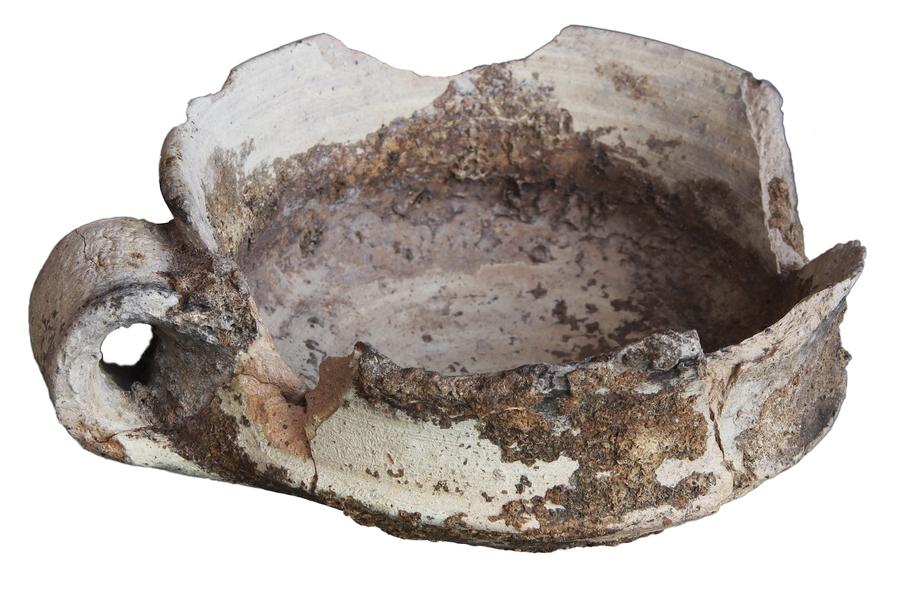
Pottery is often one of the most common types of material found in archaeological sites. Unlike organic materials, ceramics preserve well over long periods of time, making them a key resource for understanding past societies. Even small fragments, known as sherds, can provide valuable information about chronology, technology, and daily life.
One of the primary uses of pottery in archaeology is for dating. Changes in shape, decoration, and manufacturing techniques occur over time, allowing archaeologists to identify different periods based on ceramic styles. In Central Asia, where multiple cultural traditions overlap, pottery can help distinguish between different phases of occupation and cultural influence.
Pottery also reflects everyday activities. Vessels were used for cooking, storage, transport, and serving food and drink. The size, shape, and wear patterns of a vessel can indicate its function, while residues may reveal what it once contained. Through pottery, archaeologists gain insight into domestic life and subsistence practices.
The production of pottery provides evidence of technological skill and organization. Techniques such as hand-building, wheel-throwing, and firing methods reveal levels of specialization and knowledge. In some cases, pottery was produced locally; in others, it was traded over long distances. Identifying the source of materials and styles helps reconstruct economic and cultural connections.
Decoration and form can also carry cultural meaning. Patterns, motifs, and shapes may reflect aesthetic preferences, symbolic traditions, or influences from neighboring regions. In Central Asia, pottery often shows a blending of styles, reflecting the region’s role as a crossroads of cultures. As with other artifacts, pottery is most meaningful when studied within its archaeological context.