Architecture
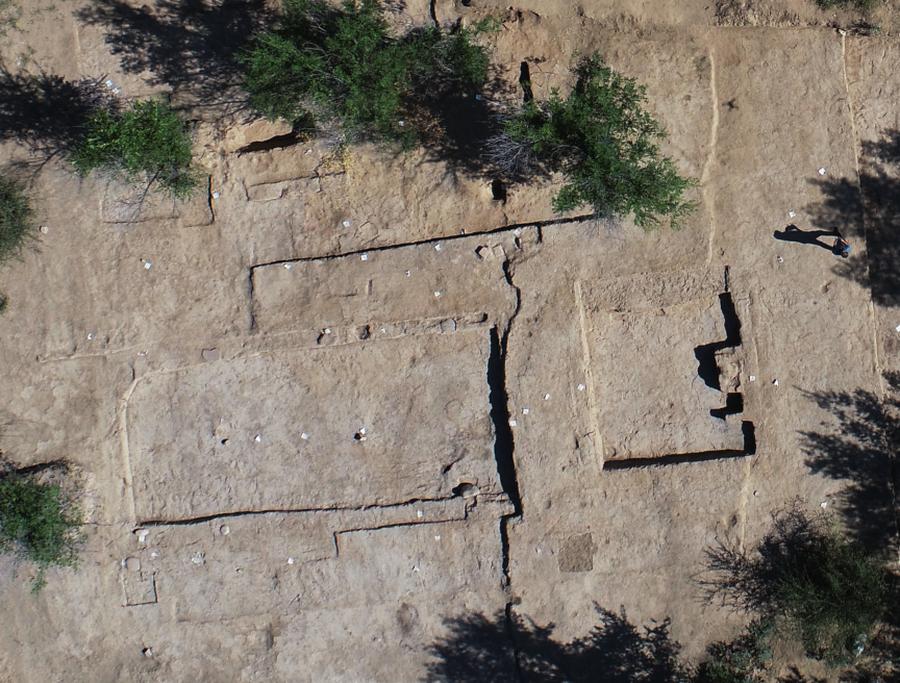
Architectural remains are a direct forms of evidence for how people organized their lives. Structures—whether domiciles, religious buildings, or civic facilities—provide insight into daily activities, social organization, and the use of space. In archaeology, even partial remains such as foundations, wall lines, or floor surfaces can reveal a great deal about past construction and settlement patterns.
The materials used in construction often reflect local environmental conditions. In Central Asia, buildings are frequently made from mudbrick, stone, or a combination of both, depending on available resources. These materials shape how structures survive over time and how they appear in the archaeological record. Careful study of construction techniques helps archaeologists understand both practical knowledge and cultural traditions.
The layout of buildings and settlements provides important clues about how communities were organized. The arrangement of rooms, courtyards, and open spaces can indicate patterns of family life, social hierarchy, and movement within a site. Even how a building is situated within a broader community context can tell us many things about the community that used it.
The identification of religious and civic structures is especially significant. Religious buildings—such as shrines, mosques, churches or other ritual spaces—offer insight into belief systems, ritual practices, and the spiritual life of a community. Civic structures, including administrative buildings, gathering spaces, or fortified areas, point to systems of governance, authority, and collective organization. These types of structures are often central to understanding the broader social and cultural framework of a settlement.
Structures are also closely tied to economic life. Workshops, storage facilities, and other specialized spaces reveal aspects of production, trade, and resource management. Buildings do not exist in isolation; they are part of a larger landscape that includes roads, water systems, and surrounding environments. By studying architecture in context, archaeologists can reconstruct not only how people built, but how they lived, worked, and interacted with both their community and their environment.