Jewelry
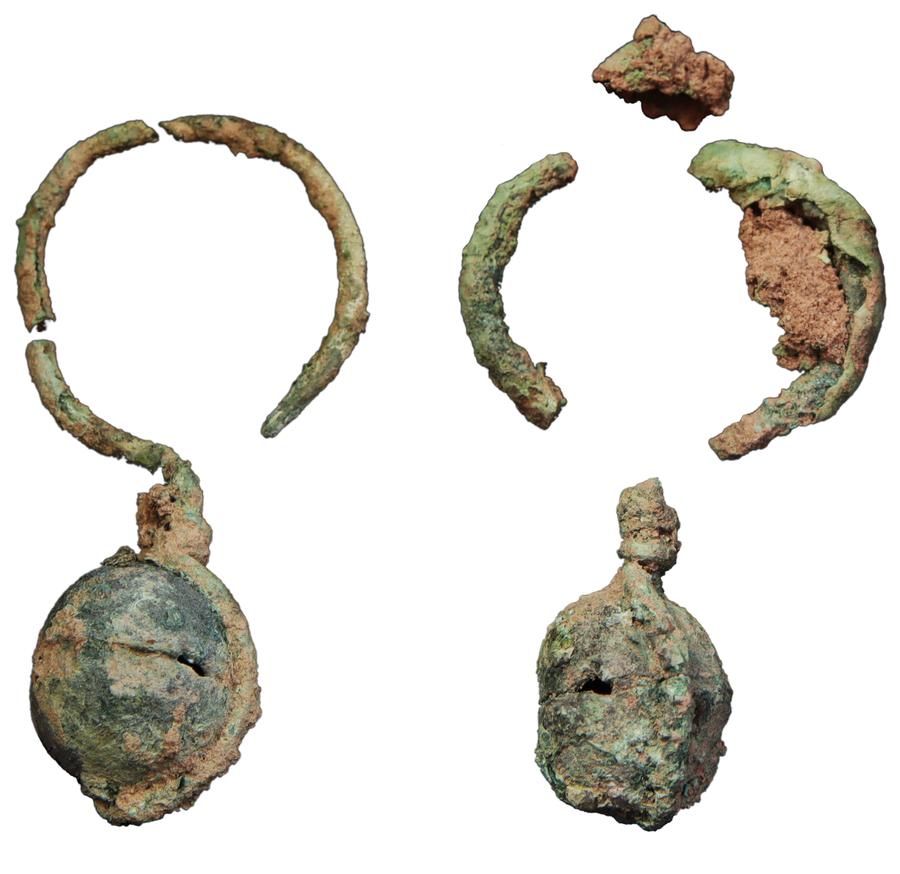
Jewelry, or more technically personal ornaments, forms a small but exceptionally informative category of archaeological material. Items such as beads, rings, bracelets, earrings, and pendants are intimately linked to personal and social identity, offering valuable insights into how individuals expressed status, gender, age, affiliation, and cultural values. In Central Asia, jewelry frequently displays a rich blend of local traditions and influences from distant regions along ancient trade networks.
One of its greatest strengths lies in illuminating social identity. The choice of materials—gold, silver, semi-precious stones, glass, or bone—along with the quality of craftsmanship and design complexity, often signals wealth, status, or specialized roles within a community. Particular forms or styles may also correlate with gender, age, or ethnic groups. When recovered from burials, these items help archaeologists reconstruct how the deceased were perceived and commemorated by their society.
Jewelry further provides clear evidence of trade and cultural interaction. Many pieces incorporate materials not available locally, such as lapis lazuli, carnelian, or specialized metals, pointing to long-distance exchange networks. In Central Asia, a historic crossroads of the Silk Road and steppe routes, jewelry often embodies these far-reaching economic and cultural connections.
Manufacturing techniques—lost-wax casting, granulation, engraving, wire-drawing, or bead perforation—reveal levels of technological expertise and craft specialization. Analyzing these methods allows archaeologists to determine whether items were produced locally, imported as finished goods, or made by itinerant artisans.
Finally, jewelry frequently carried symbolic or protective significance. Amulets, specific motifs, and decorative elements could relate to beliefs about fertility, health, spiritual protection, or the afterlife. While exact meanings can be difficult to decipher, they become far more informative when studied alongside other evidence such as ceramics, textiles, and burial practices. In many Central Asian graves, for instance, elaborate ornaments were placed directly on the body or as rich grave goods, underscoring their role in both life and death.
As with all archaeological finds, jewelry yields the richest insights when examined in its full context—alongside associated artifacts, architectural features, and the broader site record. This integrated approach helps construct a more nuanced picture of daily life, belief systems, and social dynamics in the past.