Numismatics
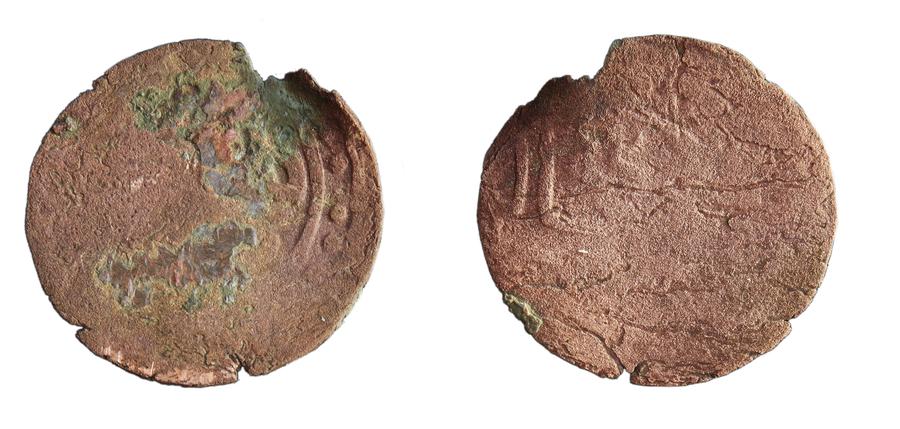
Numismatics, the study of coins, is one of the most precise tools archaeologists have for understanding the past. Coins are small yet packed with information: inscriptions, dates, rulers’ names, and symbols of political or religious authority. In Central Asia, where empires and trade networks overlapped for centuries, coins reveal connections that are often invisible in other forms of material culture.
Coins are especially valuable for establishing chronology. When found in a sealed archaeological layer, a coin supplies a terminus post quem—a firm date after which the layer must have been deposited. This allows archaeologists to construct more accurate timelines for settlements, buildings, and events. In regions where written records are limited or fragmentary, coins frequently provide one of the most reliable dating tools available.
Beyond dating, coins illuminate economic life. The presence of particular coin types can signal trade relationships, political influence, or shifts in economic systems. Coins from distant regions may point to long-distance trade routes, while locally minted issues can indicate political independence or regional authority. Even changes in metal composition can reflect economic pressures or fluctuations in resource availability.
Numismatics also sheds light on ideology and identity. The imagery on coins—portraits, inscriptions, religious symbols—was deliberately chosen to project power and legitimacy. In Central Asia, where cultures, languages, and religions intersected, coins often display blended influences, offering clear evidence of cultural interaction and transformation.
Finally, coins must always be studied in context. A single coin can be informative, but its full significance emerges when examined alongside associated finds such as ceramics, architecture, and burial practices. Coins are frequently recovered as grave goods; in some Central Asian burials, for example, they were sometimes placed in the mouths of the deceased. When integrated into the broader archaeological record, numismatics helps build a richer, more complete picture of life in the past.